Loading Beatbox content…

BEATBox
BEhavioural and AuTonomous operant Box
Open-source 24/7 home-cage operant conditioning that preserves natural rhythms while improving reproducibility.




24/7
Autonomous access
Animals can engage across day-night cycles.
Home
Cage context
Designed to reduce repeated handling and preserve natural rhythms.
Modular
Task panels
Feeder, screen, tunnel, lighting, and sensor modules.
Low-cost
Accessible fabrication
for reproducible deployments, approximately 600€ for one system.
Why it matters
Less handling, less stress
Autonomous engagement reduces the need to move animals into separate testing rooms and limits stress-related behavioral bias.
More behavioral data per subject
Continuous access can increase trial density and reveal circadian, motivational, and learning dynamics that short sessions may miss.
Better reproducibility
Standardized hardware, task timing, and data logs reduce experimenter variability and make protocols easier to share.
3Rs alignment
Richer within-subject datasets can improve statistical power and may reduce animal numbers when study designs support it.
Autonomous Experiments
Less human supervision: operant events are triggered and logged automatically, saving time for data analysis and science.
Integrated modules
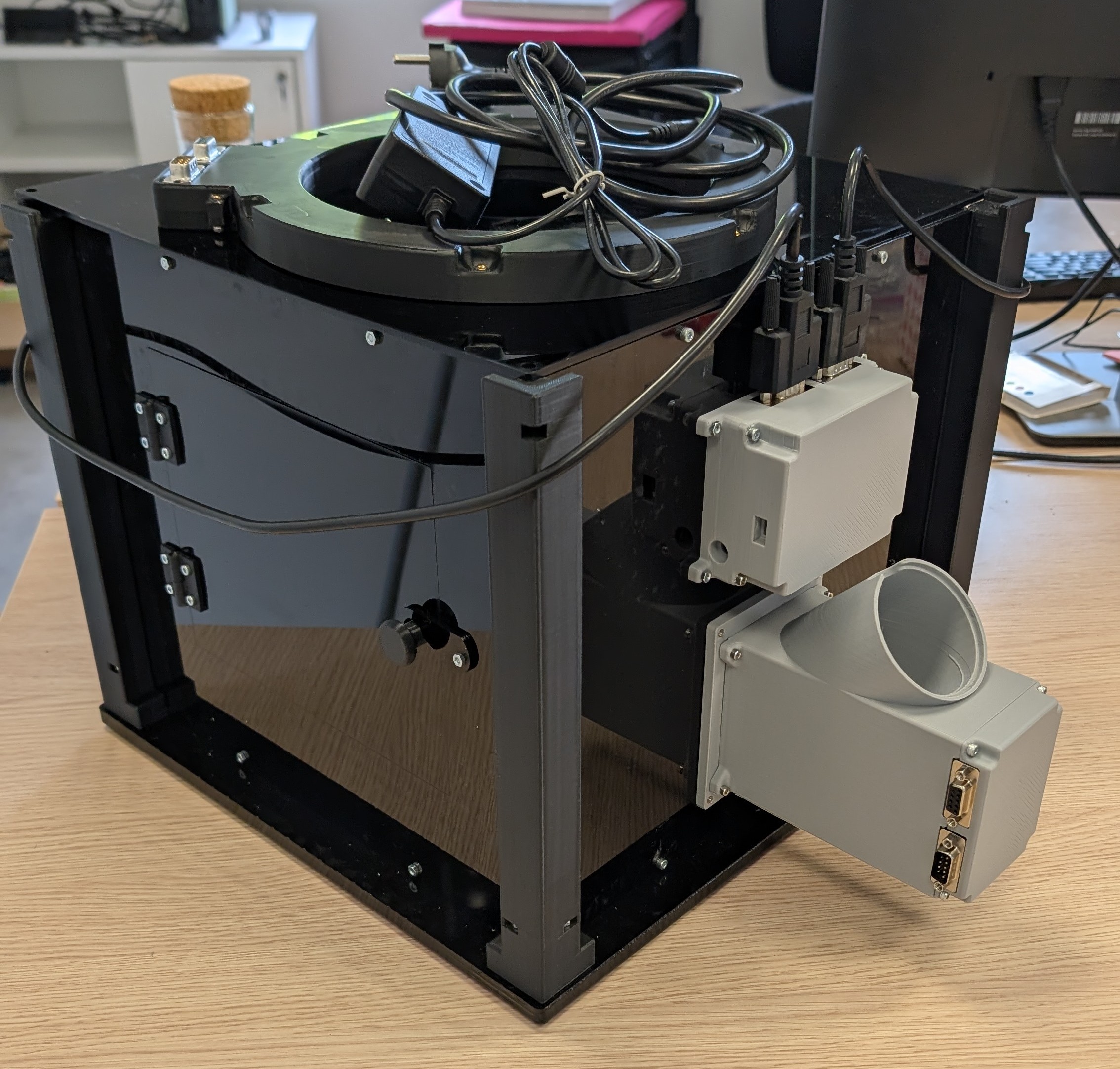
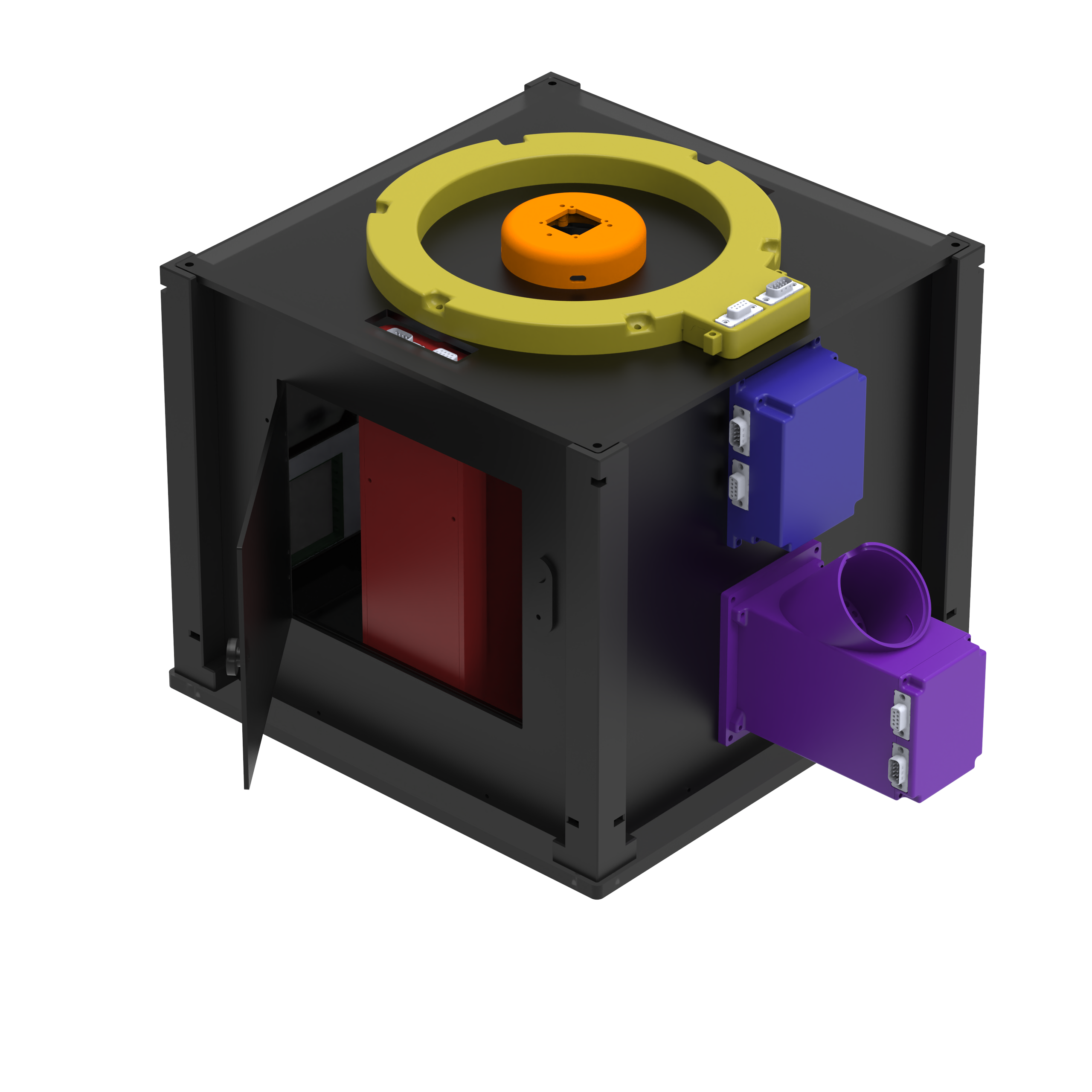
Feeder, screens, nosepokes, IR barriers, lighting, tunnels, and wall panels create configurable behavioral workflows.
System Overview
Open-source 24/7 home-cage operant conditioning.
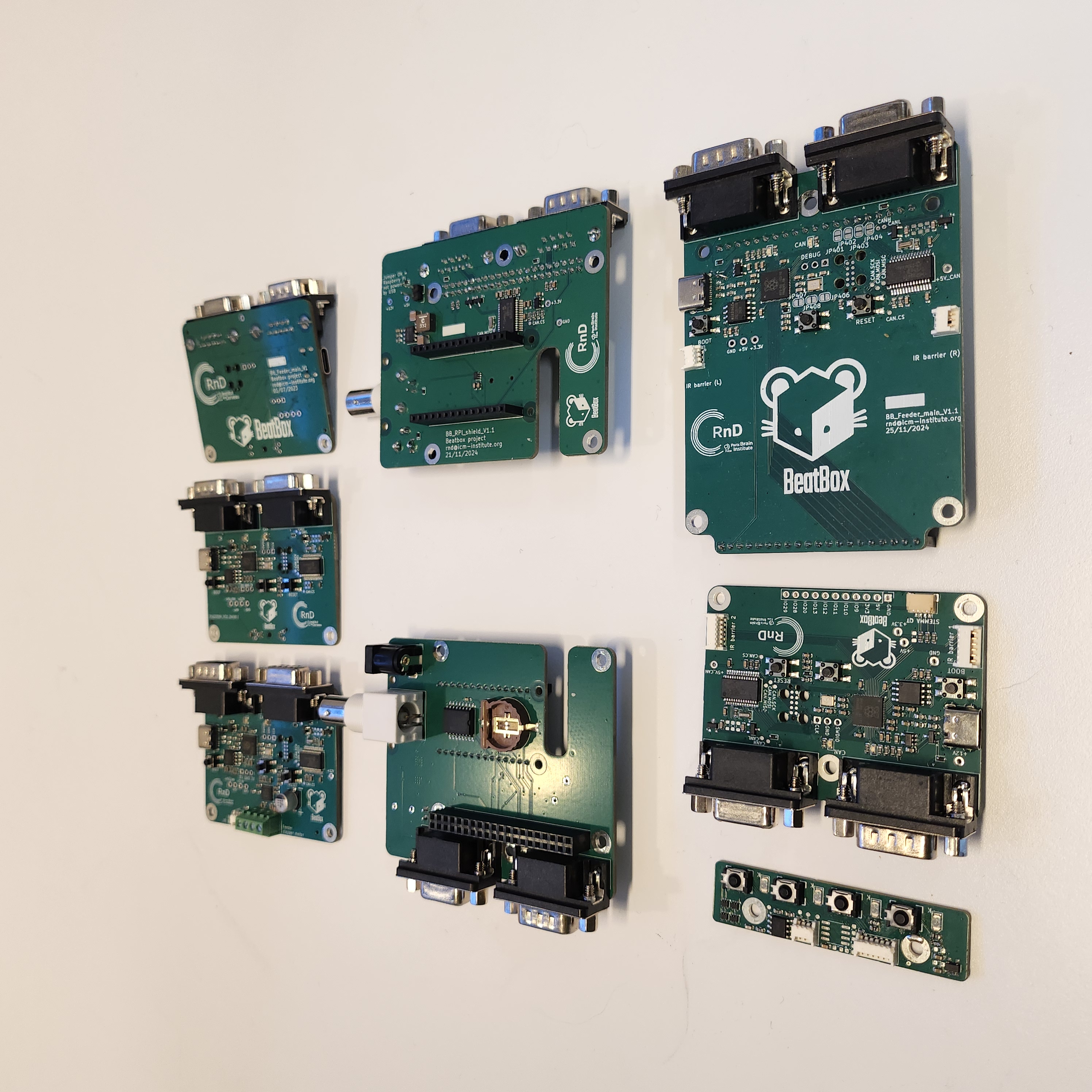
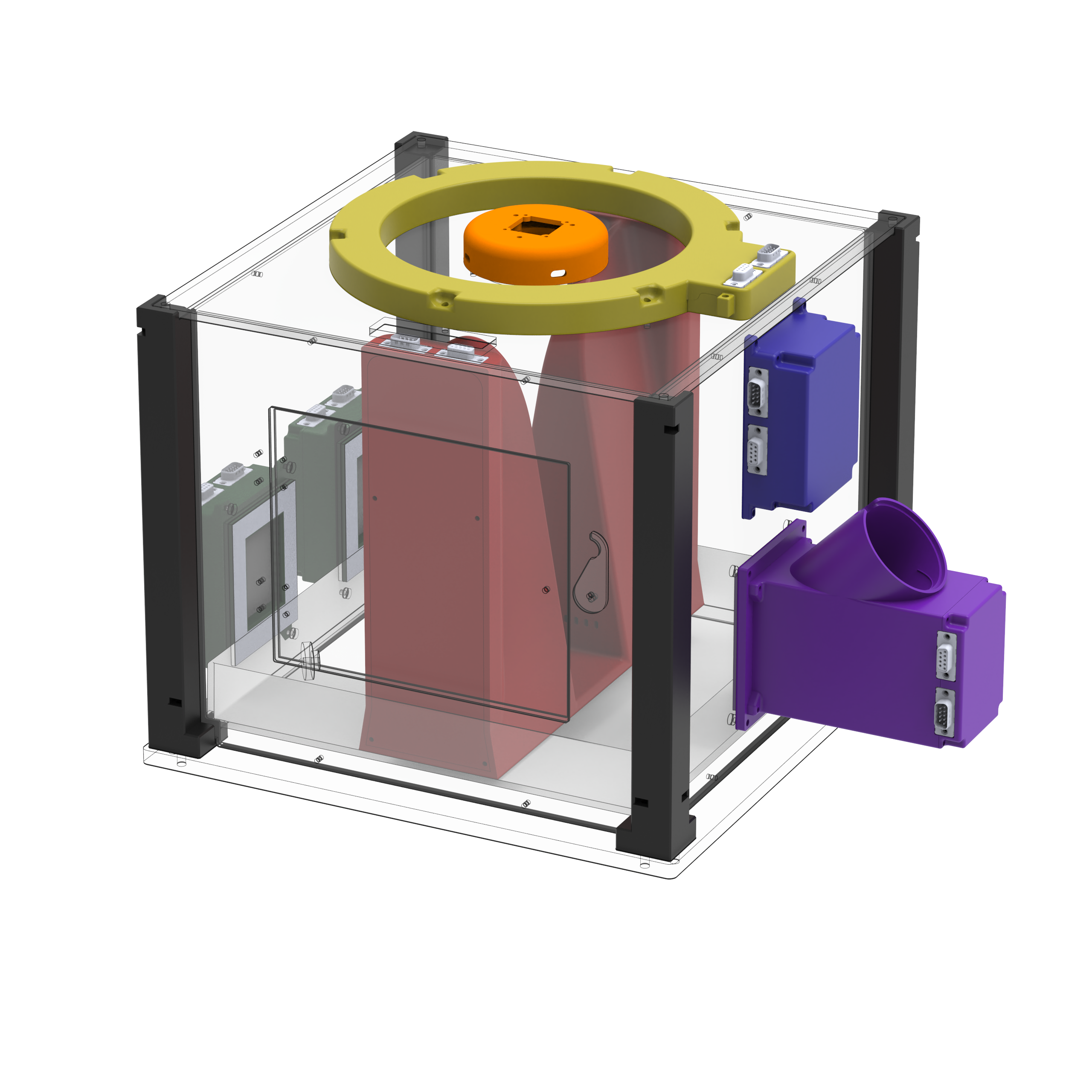
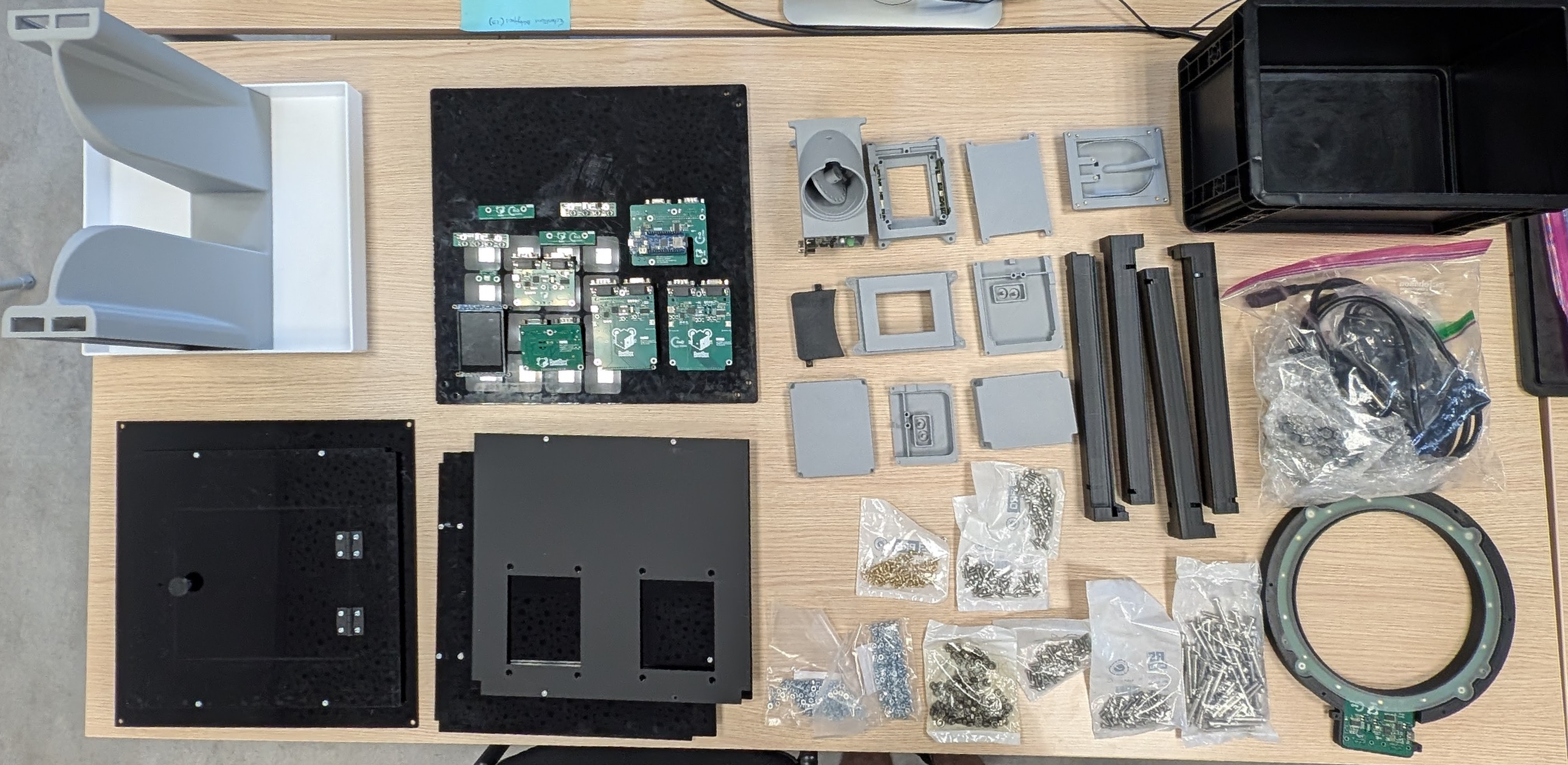
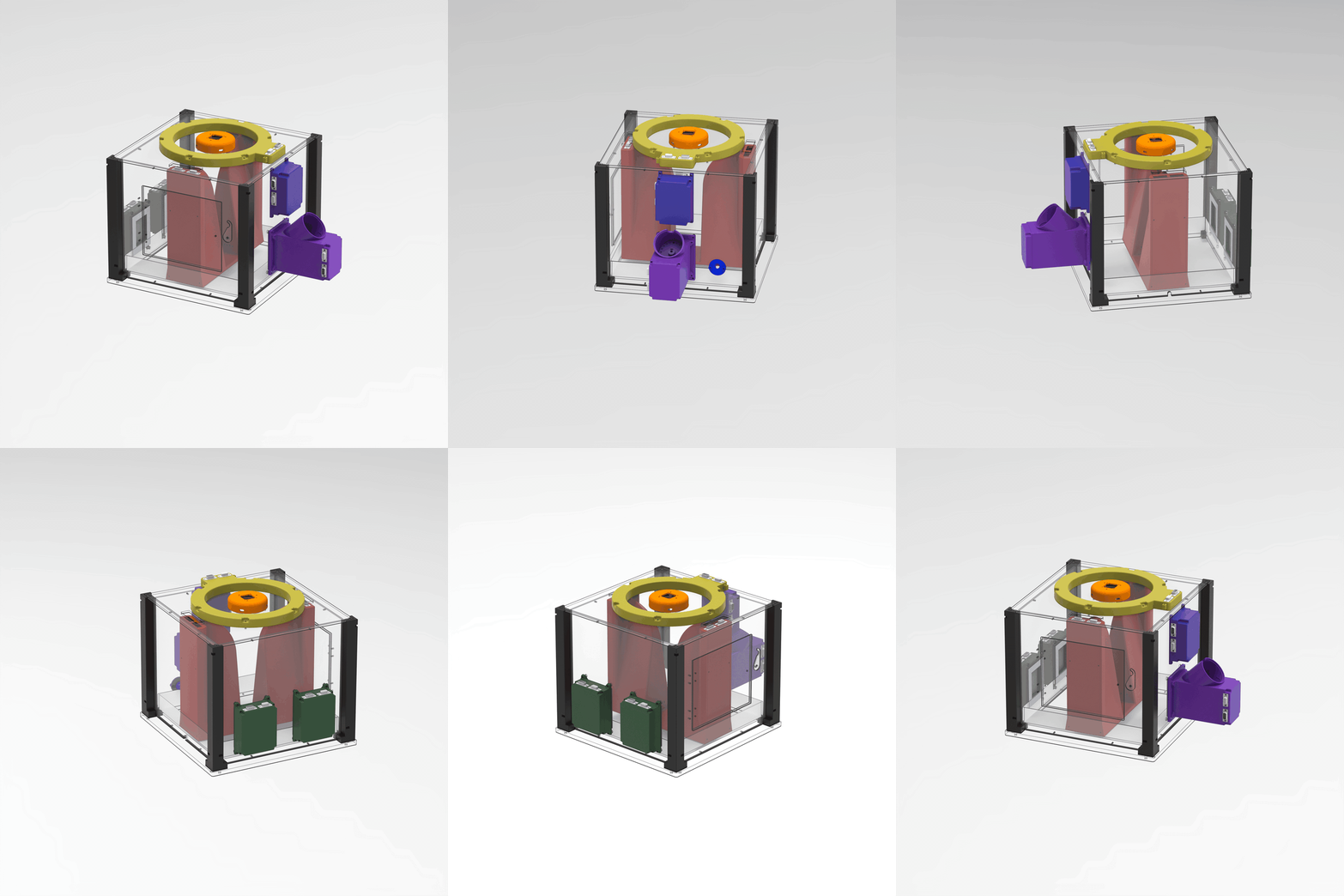
Gallery
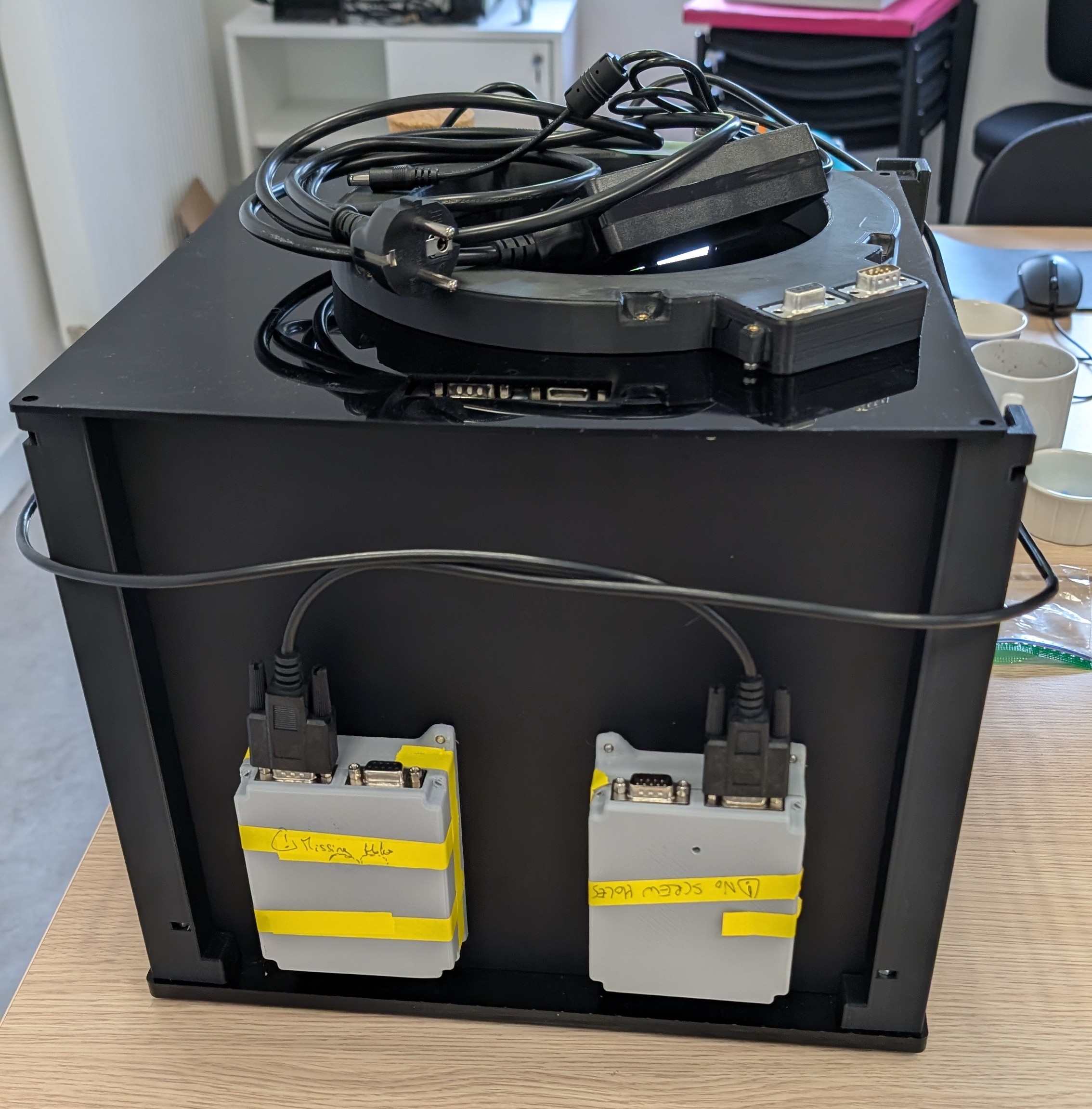
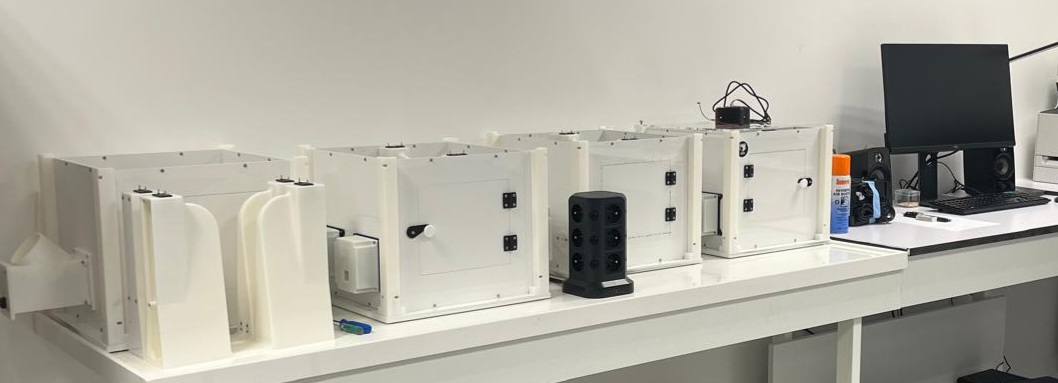
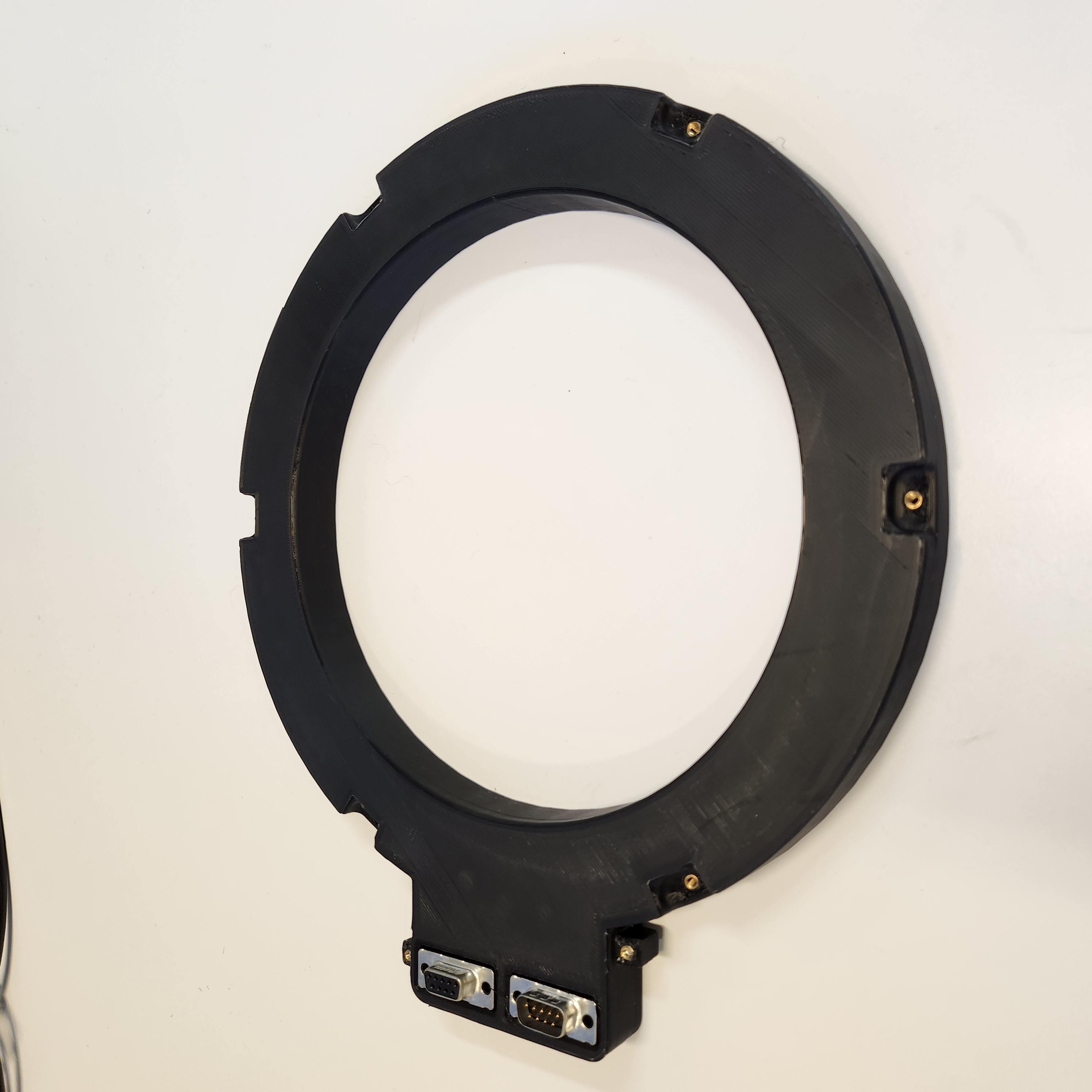
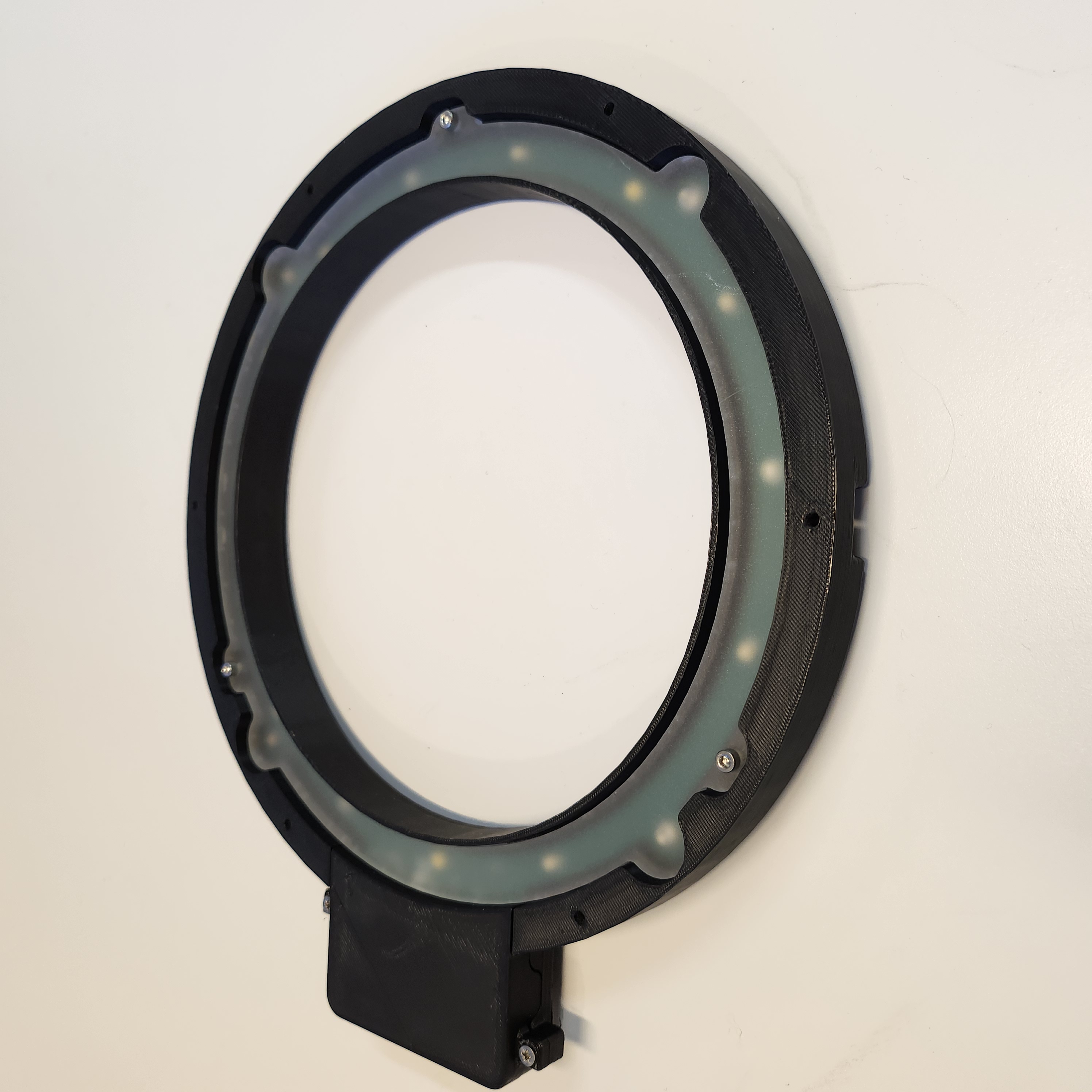
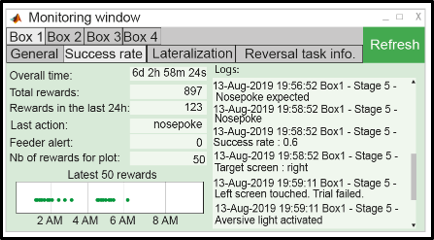
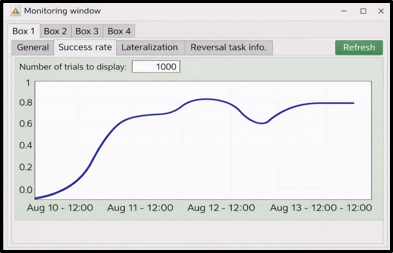
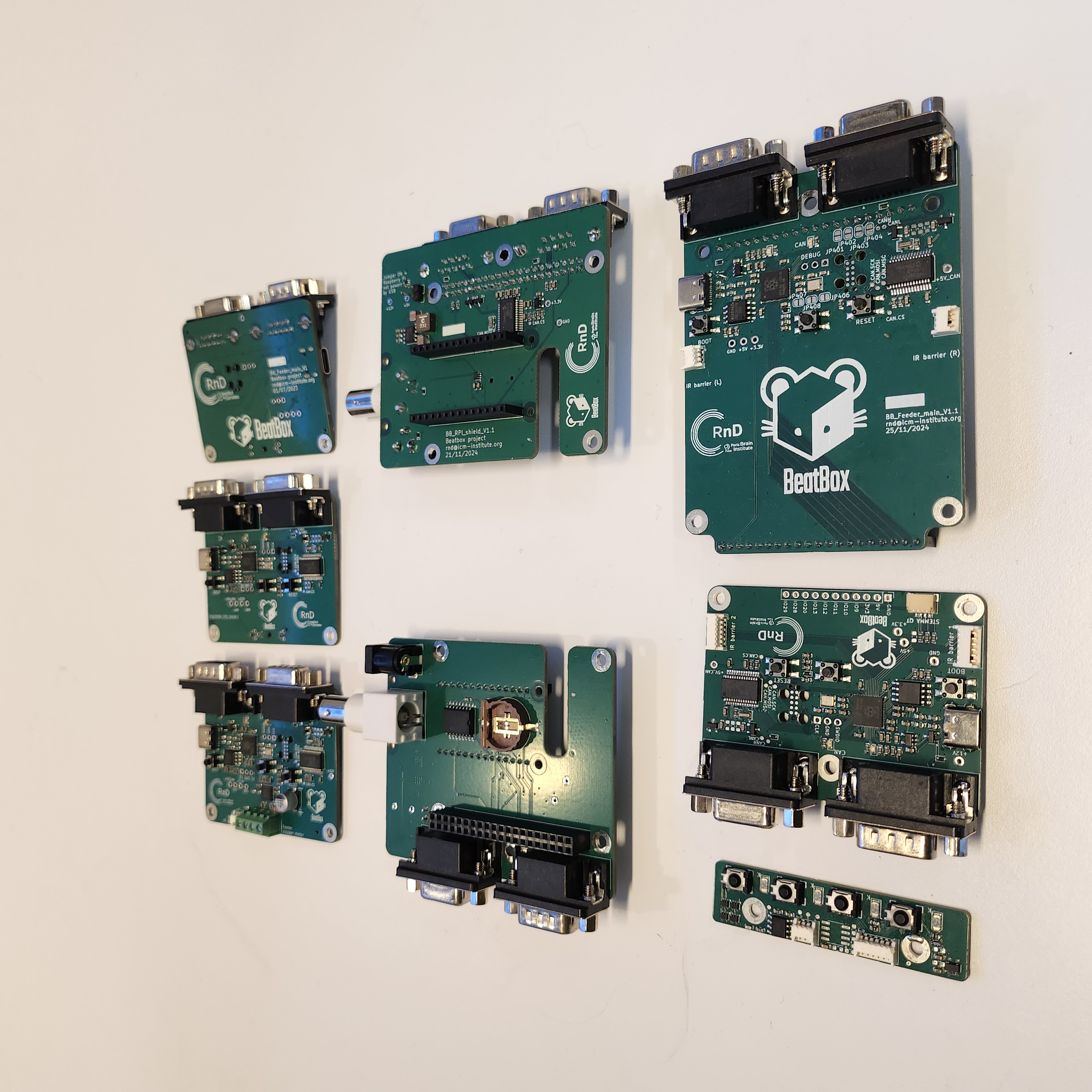
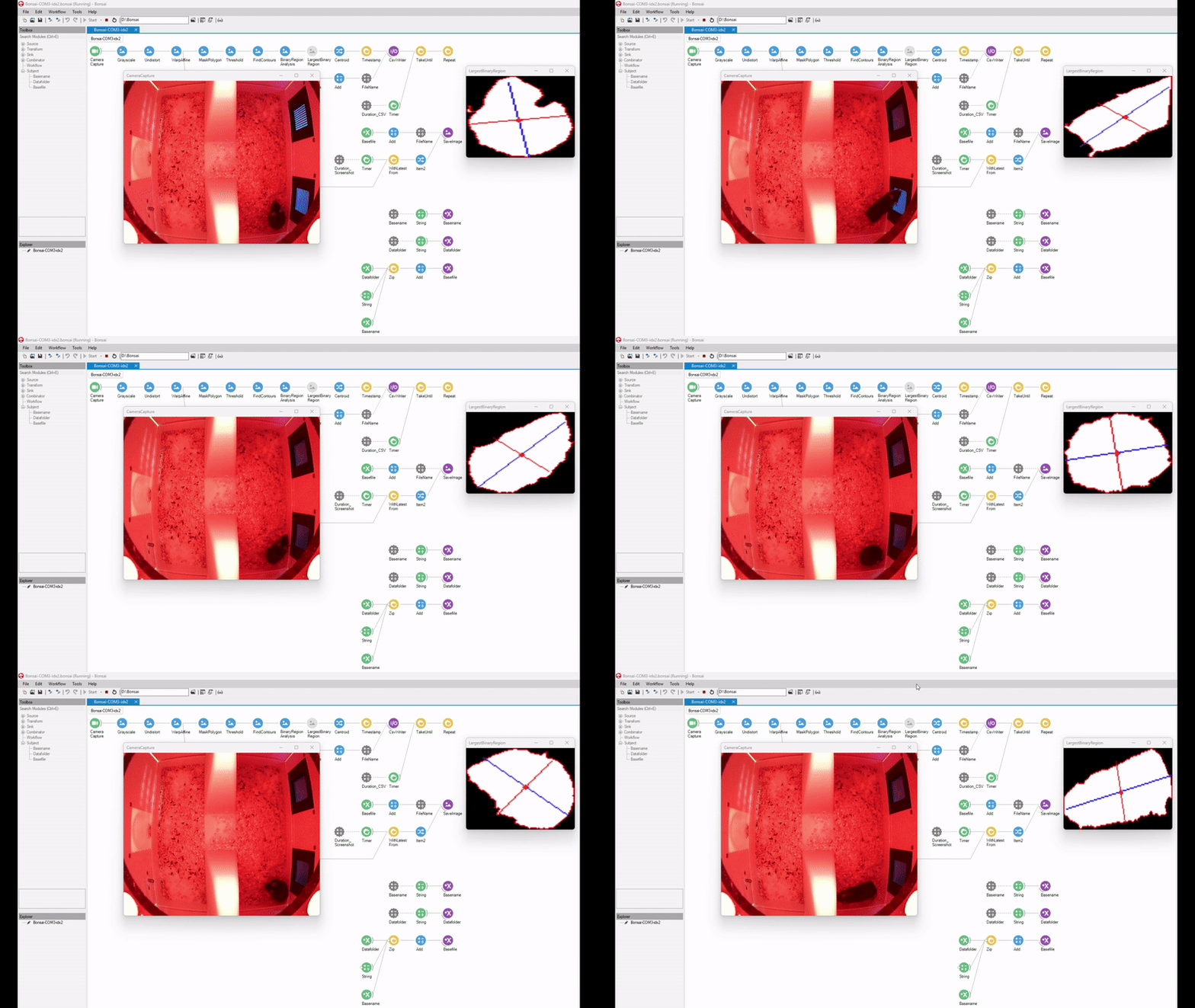
Selected BEATBox renders, build photos, modules, electronics, and GUI screens.
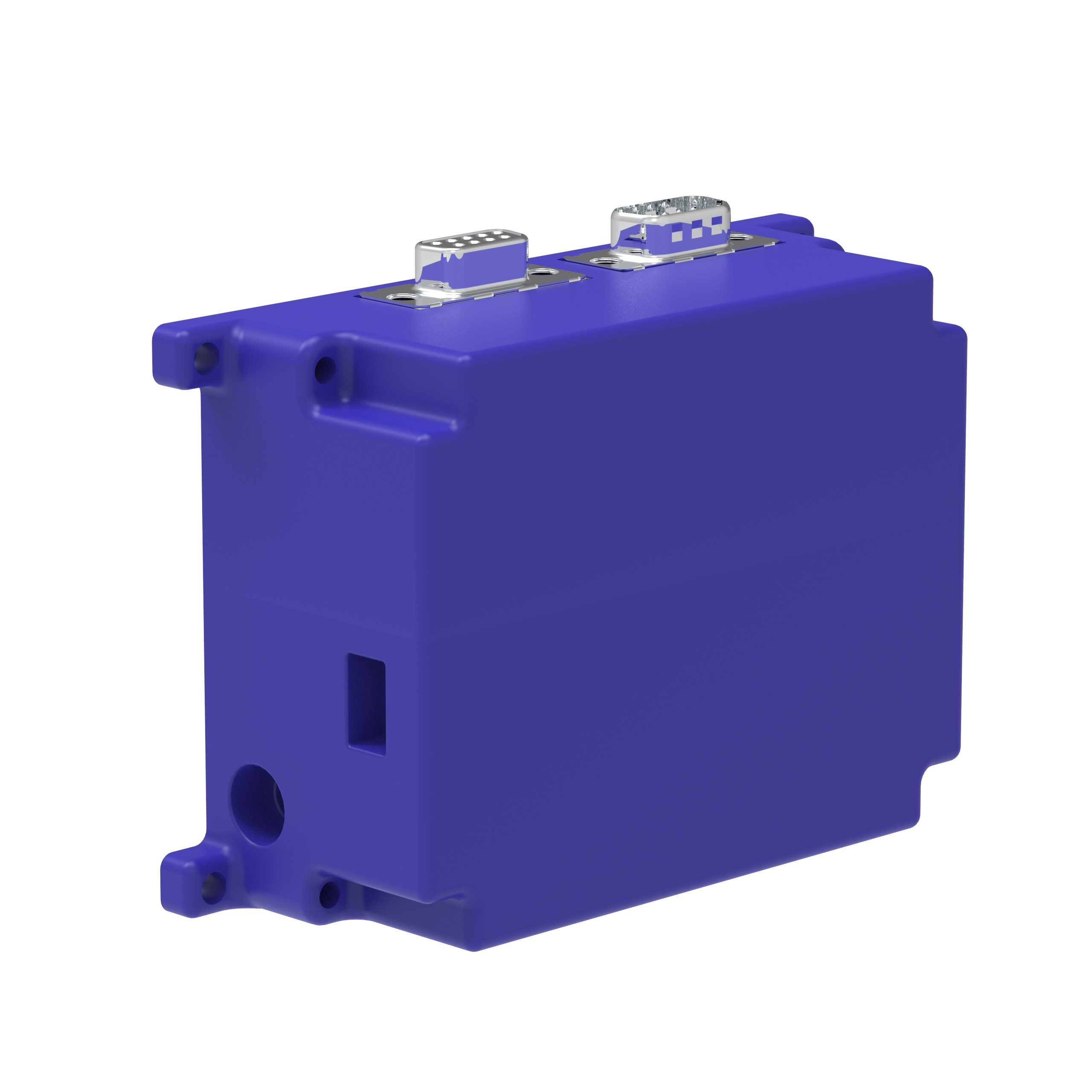
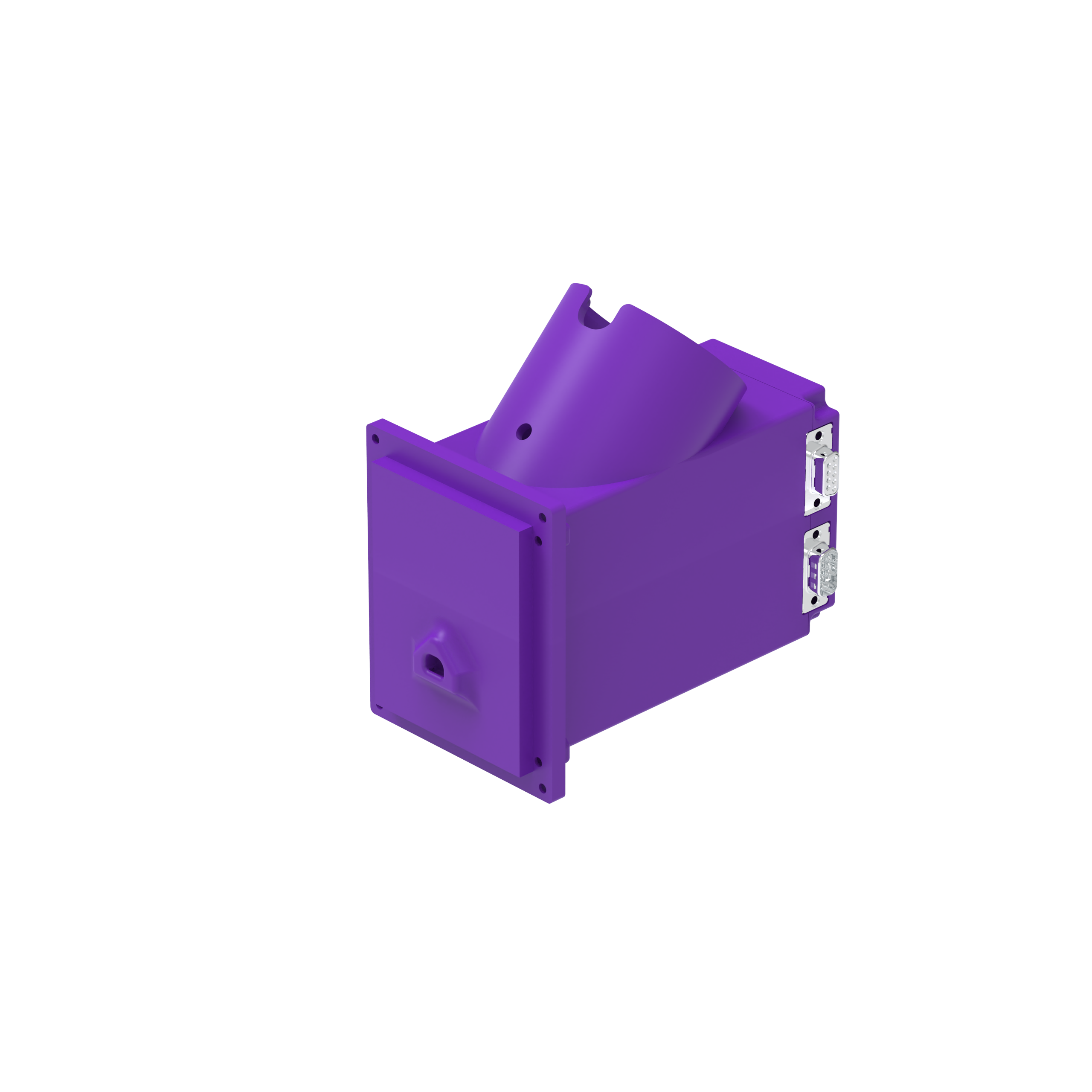
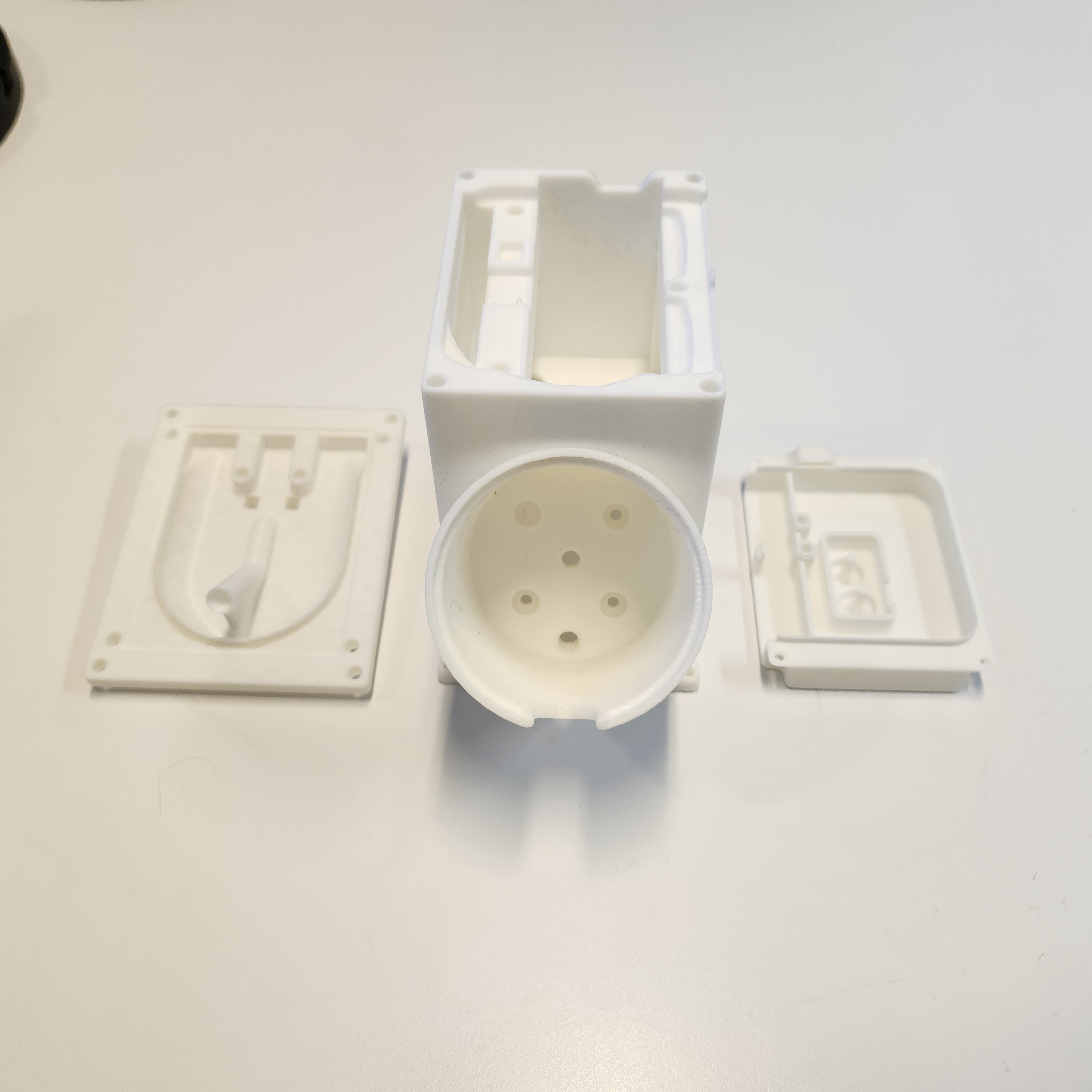
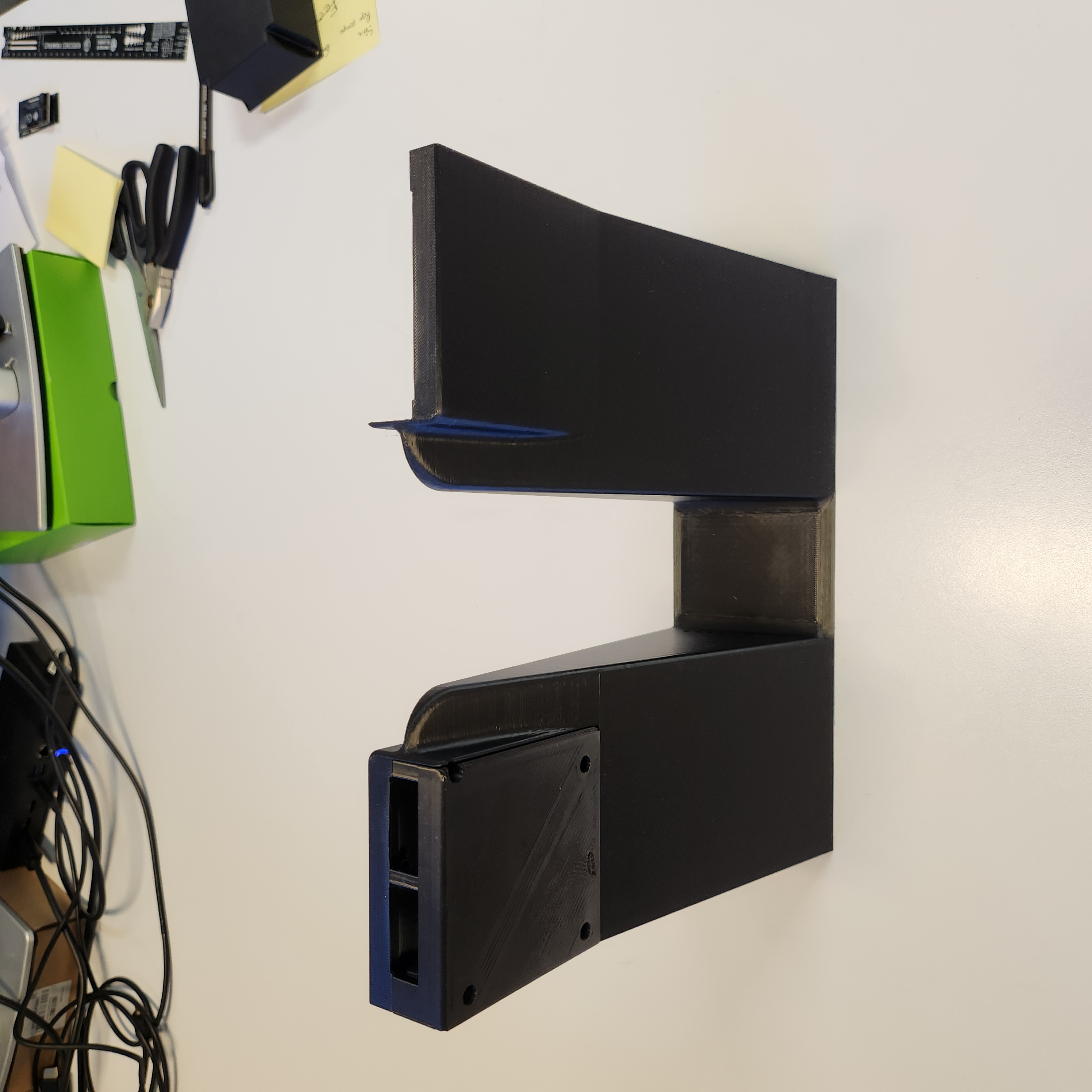
Video examples
In-lab recording
Short real-life demo clip showing BEATBox in use.
System Presentation
Inline deck preview with a direct download link.
Embed unavailable. Provide `embedUrl` or `sourcePath`.
If the viewer fails, use the download link.
Contact
Centre de Recherche en Neurosciences de Lyon (CRNL) Located in: Centre Hospitalier Le Vinatier Address: CRNL - CH Le Vinatier - Bâtiment 462 - Neurocampus, 95 Bd Pinel, 69500 Bron
Credits
Leadership & science
Project Lead and Vision
- Eric Burguiere
Scientific Conception and Contributions
- Eric Burguiere
- Marine Euvrard
- Daniela Domingues
- Nabil Benzina
Engineering & platform
Software & Firmware
- Zenneddine Ajili
- Guillaume Penderia
- Charlie Rousseau
Electronics
- Pierre Tissier
- Pierre Pavlov
Mechanical Design
- Pierre Tissier
- Lucile Lebegue
Documentation, web & validation
Documentation & Open Repository
Website and Github
Graphic Design
Validation & Beta Testing
- Marine Euvrard
- Daniela Domingues
- Eliana Lousada
- Oriana Lavielle
- Anne Lorenz
- Youenn Travert
- Christianne Schreiweiss
*All versions included
How to cite
Citation instructions will be added when a preprint, paper, or DOI is available.
Until publication metadata is finalized, please reference the BEATBox open-source repository and contact the team before public reuse in manuscripts, talks, or derivative documentation.
Q&A
What is BEATBox designed for?
BEATBox is designed for 24/7 home-cage operant conditioning, longitudinal behavioral monitoring, and modular task development.
How is BEATBox different from other operant or home-cage systems?
BEATBox brings together features usually found only separately in other systems. It runs fully autonomous 24/7 operant conditioning directly inside the home cage, preserving natural day-night rhythms and minimizing handling stress. It is entirely open-source (hardware, CAD, firmware, software, and documentation), low-cost (approximately 600€ per system), and fast to build (about 2 hours from scratch). Its modular design—feeders, screens, nosepokes, IR barriers, lighting, and tunnels—lets you reconfigure tasks without redesigning the whole setup, and it is built to interoperate with other open tools (camera monitoring, Bonsai, Open Ephys, pyControl-style logic, and Arduino/Raspberry Pi modules) rather than locking you into a closed ecosystem.
Can I build BEATBox myself?
Yes. Start with the build manual, download the Master BOM, and follow the six module-level tutorials. Use the interactive assembly tutorial as a bench checklist. Cost and build-time estimates remain provisional until the current BOM and build are formally validated.
Does BEATBox reduce daily experimenter intervention?
Yes. Animals can live in the BEATBox for weeks and engage voluntarily with tasks, while events, rewards, sensors, and performance data are logged automatically. You can track everything from your home/desk computer without interfering with experiments.
What can be customized?
The system is modular: feeders, screens, nosepokes, IR barriers, lighting, tunnels, and sensor workflows can be adapted to different behavioral protocols. All new customizations and protocols are invited to be shared with the BEATBox community here: https://github.com/Open-BeatBox/Open-BeatBox.github.io/discussions.
Where can I find the GUI and software resources?
The software resources, including the GUI demo and future control code, are available from the BEATBox GitHub software folder here: https://github.com/Open-BeatBox/Open-BeatBox.github.io/tree/main/resources.
Why is a longitudinal approach more respectful of naturalistic behaviors?
Longitudinal home-cage testing lets animals engage with tasks voluntarily across their own day-night rhythms, instead of being repeatedly handled and moved into short experimenter-controlled sessions. This preserves more natural motivation, activity timing, and adaptation while reducing avoidable disturbance.
Which other open-source systems can be incorporated into the BEATBox environment?
BEATBox is designed to interoperate with open-source behavioral and neuroscience tools when protocols need them, including camera-based home-cage monitoring, Bonsai workflows, Open Ephys acquisition, pyControl-style task logic, and custom Arduino/Raspberry Pi sensor or actuator modules.